What a Roof Inspection Checks and When to Schedule One in Wisconsin
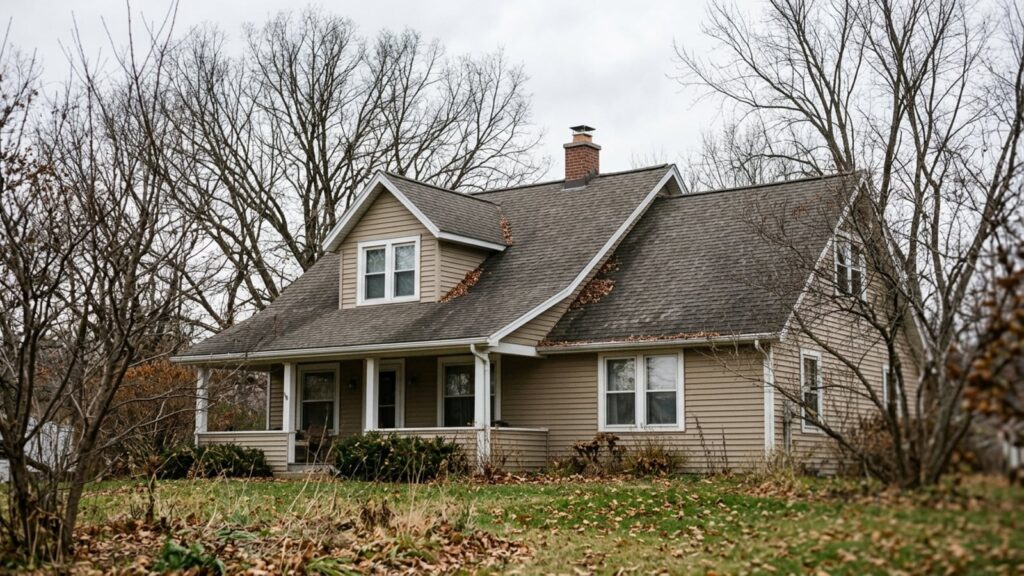
A professional roof inspection is a close look at every part of your roof system, from the shingles and flashing to the gutters, the roof deck and the attic underneath. For most Wisconsin homeowners, the best times to schedule a roof inspection are in the fall before the snow arrives, before buying or selling a home, and any time you spot a warning sign like a stain on a ceiling. Here is what an inspector checks and why each piece matters.
A roof inspection starts with the shingles
Shingles are the part of the roof you can see, so that is where most inspections start. Owens Corning lists curled edges, cracks, granule loss, excess moss and missing or loose shingles as the problems to look for in its roof inspection guide. It also says cupped shingles with concave centers, wavy surfaces and ragged edges are signs a roof is past its prime.
Granule loss deserves a word of its own. The granules on the surface shield the shingle from sunlight, and once they wear away the shingle is more exposed to UV rays, which can make it age faster and turn brittle. If you find a lot of granules in your gutters or at the bottom of a downspout, tell your roofer, because it helps explain what they are seeing up top.
Flashing, vents and chimneys are checked up close
Flashing is the thin metal that seals the places where your roof meets something else, such as a chimney, a vent pipe or a wall. The same Owens Corning guide says to look for dents, tears, missing pieces, corrosion and lost sealant. Around chimneys it points to cracked caulking, mortar or brick, around vents to improper seals or placement, and around skylights to missing caulking or sealant.
These spots matter because a roof can have perfectly good shingles and still leak at a single failed seam. A thorough inspector looks closely at every penetration, because a small gap in sealant is much easier to fix than the water damage it can cause inside the house.
The roof deck, underlayment and gutters
Under the shingles sit the roof deck and the underlayment, and an inspector checks them for sagging or soft spots. Owens Corning also says to check whether an ice and water barrier is in place where ice dams may form. In a climate like ours, that is worth knowing before January rather than after.
The gutters are part of the same system. Clogged or sagging gutters keep water at the roof edge, so they get a look during a roof inspection too. If your gutters are the weak link, our gutter services cover seamless gutters and gutter guards.
The attic shows what a roof inspection can miss from outside
The attic often tells the rest of the story. Owens Corning says a thorough check looks at whether ventilation is balanced, whether insulation is wet or too shallow, whether dark stains suggest mold, and whether there is any sign of pests. Damp insulation or stained decking is a sign that moisture is getting in somewhere.
If you have access to your attic, you can take a flashlight up there on a dry day and look at the underside of the roof deck. Dark water trails or damp insulation are worth a phone call. Step only on the framing, since ceiling drywall will not hold your weight.
The best times to schedule a roof inspection in Wisconsin
Fall is the sensible window. You want to know the roof is in good shape before winter weather starts working on every small gap, and you want repairs done while the weather is still workable. Owens Corning’s roof maintenance guide has a section for every fall, covering gutters, tree branches that touch the roof or gutters, and debris, which it says to clear at least twice a year or more.
The same guide suggests making sure insulation or stored items are not blocking airflow in the attic, and that nothing such as debris or paint is clogging the soffit screens. It also suggests viewing flashing from a safe, comfortable vantage point, such as a second-story window. Those are easy checks for you, and they make the professional visit more useful.
You can also learn a lot from the ground. Walk around the house on a dry day with binoculars and note lifted shingles, bare patches or sagging gutters, then check ceilings for new stains. Written notes help the inspector go straight to those areas.
Please do not climb onto the roof for this. Owens Corning’s inspection guide says to leave on-the-roof work to the professionals, who are used to working on steep surfaces. If you must use a ladder for a gutter or a window view, set it on firm, level ground, keep three points of contact, and ask someone to stay with you.
Owens Corning lists several other good reasons to call a roofer: after severe weather such as hail or high winds, when ceilings or walls are discolored, when shingles look bald, cracked or curled, and before a renovation that involves the roof. Any one of those is enough. You do not need to wait for a leak.
Buying or selling a home is the other big one. The guide says only an inspection done by a professional is acceptable for insurance claims, warranty claims and real estate transactions. If you are selling, an inspection lets you deal with surprises before a buyer finds them. If you are buying, it tells you whether a roof replacement belongs in your budget.
Questions worth asking at the end of an inspection
A good inspection ends with a conversation, and a quote is only one part of it. Ask what was found, where it was found, and how urgent each item is. Photos of problem spots are a fair request, because most of a roof is out of sight from the ground and you should be able to see what the inspector saw.
Ask what should be rechecked before spring, too. Dated written notes make that follow-up simple, and they show the next inspector what changed.
Ask the inspector to separate repairs from replacement. Missing shingles or a failed flashing seam are often a repair, while widespread curling, cracking and granule loss across a whole slope point to a roof that is wearing out. Either answer is useful, and neither should feel like pressure.
It also helps to ask about the attic and ventilation, since those are easy to overlook. If the inspector found damp insulation or blocked soffits, you want that in the notes, because a new roof will not cure a moisture problem that starts inside the house. Keep the written findings with your home records.
Timing matters too. A roof that is checked each fall gives you a record of how it is aging, so you can plan a replacement on your own schedule instead of reacting to a leak in the middle of a Wisconsin winter.
If your roof is on the older side and nobody has looked at it in years, this is a good season for a roof inspection. It gives you facts to work with, and you can decide what to do about them at your own pace.
What a Valley Exteriors estimate visit includes
When you request a free estimate from us, a certified professional visits your home, looks over your existing roof and listens to what you need. We serve Appleton, the Fox Cities and the surrounding Fox Valley, including Neenah, Menasha and Kaukauna.
Whatever the visit finds, you should leave knowing why and what your options are. If a roof inspection points toward replacement, the roofing replacement page explains how to request that free estimate.