How Long Does a Roof Last in Wisconsin?
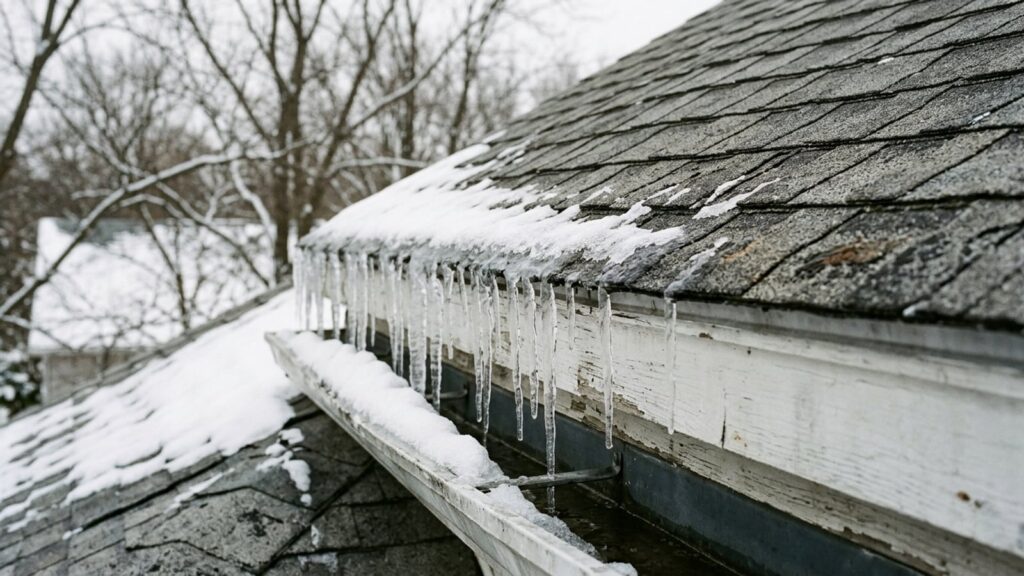
How long does a roof last in Wisconsin? Most asphalt shingle roofs last about 20 to 30 years, and a metal roof can last 30 to 50 years or more. Three-tab shingles tend to wear out near the 20-year mark, while architectural shingles hold on closer to 30. Here in Wisconsin, how long a roof lasts comes down to how well it was installed and how it stands up to freeze-thaw, snow, ice, wind and attic airflow.
How Long Does a Roof Last? It Depends on the Material
The National Roofing Contractors Association (NRCA) says most new roofs are designed to give about 20 years of useful service, and that slate, clay tile and certain metals can last longer. It also says the real life span depends on the local climate, the design, the quality of the materials, how well the roof was put on and how well it’s been maintained. Here’s how the common options compare on paper.
- Three-tab asphalt shingles: about 20 years
- Architectural asphalt shingles: about 30 years
- Metal roofing: 30 to 50 years or more, with repainting often possible in place of a full replacement
- Slate and clay tile: longer than the typical 20 years, according to the NRCA
The shingle numbers come from a home inspectors’ life expectancy chart that Owens Corning cites. The metal range comes from the Metal Roofing Alliance, which speaks for metal roofing makers and also notes that concrete tile can crack and warp in the freeze-thaw cycle of northern climates like ours.
How Long Do Asphalt Shingles Last in Wisconsin?
Owens Corning puts well-installed, high-quality asphalt shingles at two to three decades of protection. Three-tab shingles are the flat, single-layer style and sit at the low end of that range. Architectural shingles are thicker and layered, which helps explain why they’re expected to last closer to 30 years.
Asphalt in our climate gets worn down from both ends of the calendar. Owens Corning notes that UV exposure can dry shingles out until they crack, and that shingles losing their granules can age faster and turn brittle. The NRCA adds that asphalt shingles become brittle in cold temperatures, so a shingle that’s been baked every July has even less give when it’s flexing in a January wind. Good attic airflow, sound flashing and clean gutters are what help a roof reach the long end of the range.
How Long Does a Roof Last Under Freeze-Thaw, Snow and Ice?
Freeze-thaw is the slow grind that decides how long a roof lasts up north. On a sunny February afternoon, snow on the roof melts and water works into any crack or lifted edge, then freezes again overnight. Ice takes up more room than water, so every cycle pries those gaps open a little wider. FEMA’s snow load guide points out that temperatures swinging above and below freezing can turn melting snow into ice and ice dams, with the load concentrated at the eaves.
Then there’s the weight. According to FEMA, one foot of fresh snow weighs anywhere from 3 pounds per square foot when it’s light and dry to 21 pounds when it’s wet and heavy. An inch of ice weighs a little less than 5 pounds per square foot, and FEMA notes that inch for inch, ice weighs significantly more than heavy, wet snow. Weight that sits for weeks on a roof deck already softened by moisture can make a roofline start to sag.
Ice dams are the other winter problem. When meltwater refreezes at the cold edge of the roof, the water behind it has nowhere to go, and FEMA calls water getting into the house a potentially larger problem than the extra weight. A roof that gets ice dams winter after winter is aging faster than it should.
How Wind and Poor Attic Ventilation Shorten a Roof’s Life
Wind wears a roof down a little at a time. Owens Corning notes that shingles bent or curled beyond their limits can lose their waterproof seal even when they stay put, and the ones that blow off leave that part of the roof open to rain and snow. Cold adds a wrinkle: the NRCA says the self-sealing strips on shingles won’t bond properly in cold temperatures, and it recommends hand-sealing them in windy areas.
If a big storm just came through, that’s a different kind of check, and our storm restoration page explains how our free storm damage inspections work.
Ventilation is the easiest to forget, because you can’t see it from the driveway. The NRCA says the strongest case for venting an asphalt shingle roof is in cold climates where snow stays on the roof for long stretches, which sounds a lot like a Fox Valley winter. Good airflow carries moisture out of the attic before it condenses on the underside of the roof deck.
When an attic can’t breathe, warm, damp air from the house collects up there and can damage the roof sheathing from the inside while the shingles still look fine from the street. FEMA adds that a well-ventilated attic stays close to the outdoor temperature, so heat from the house doesn’t melt the snow from underneath. The NRCA also notes that some shingle warranties depend on meeting minimum ventilation requirements.
Signs Your Roof Is Near the End of Its Life
Start with the age, since how long a roof lasts is the first thing to check. If your asphalt roof is past 20 years, or you’re not sure when it went on, it’s worth a proper look even if nothing is leaking yet. A pair of binoculars from the yard will show you a lot, so you can check your roof’s age and condition without climbing anything.
Look for shingles that are cupped with concave centers, curled or ragged at the edges, or wavy across the surface. Owens Corning lists all of those as signs a roof is past its prime, along with cracking, fading and bald spots where the granules have worn away. The NRCA adds that a buildup of granules in your gutters or downspouts is another clue.
A roofline that dips or sags is the most serious sign on this list. FEMA counts sagging roof members and popping or creaking noises during heavy snow as warning signs of an overstressed roof, and if you see or hear them, its guidance is to get out of the building and have a structural engineer look at it.
Then check the attic. Owens Corning suggests going up after heavy rain or while the roof is snow-covered, paying attention to the areas around vents, chimneys and skylights. Bring a flashlight and look for dark patches on the wood, mold or deteriorated insulation.
Finally, watch for patterns, because they tell you more than age does about how long a roof will last. Leaks in different spots, year after year, tend to mean the whole roof is getting tired.
Roof Life Left: When Replacement Beats a Patch
A leak doesn’t automatically mean you need a new roof. The NRCA points out that leaks can come from flashing that has worked loose or from one damaged section. If your roof is well short of 20 years and the trouble is in one spot, a small local fix may be all it needs. We install new roofs rather than patch old ones, so for a one-spot problem you’d want a roofer who does repairs.
Replacement makes more sense when the signs above show up across the whole roof instead of one corner, when you’re patching something every year, or when the roof is at or past its expected life. The NRCA also notes that a complete roof system failure is generally irreversible.
The NRCA says that in many cases building codes allow no more than one re-cover before a complete replacement is needed, so if your house already has two layers, you’re very likely looking at a tear-off.
On our roof replacement jobs, if we find unexpected issues like rotten wood, we stop and go over the repair cost with you for approval before going any further.
Simple Ways to Make a Roof Last Longer
You can’t change the weather, but you can stack the odds in your favor. The NRCA suggests checking your roof in the fall and spring for cracked or curling shingles and keeping your gutters clear of leaves. Fall matters most here, since anything loose in October gets tested by snow and ice all winter.
If you’ve never had your attic ventilation checked, it’s worth doing, especially if you’ve seen frost or damp insulation up there. FEMA notes that small disrepairs can grow into much larger issues, so don’t leave loose flashing or a lifted shingle until spring. And if you’re clearing snow, the NRCA advises against ice picks, shovels or anything with sharp edges, and says to call a pro when the roof is steep, the snow is deep or the ice is thick.
A quick safety note: the NRCA says to work from a firmly braced ladder and stay off the roof itself, and most roofing work isn’t a homeowner job. Keep ladders off icy ground, never climb a wet or snowy roof, and look from the ground whenever you can.
If you’re wondering how long does a roof last on your own house, and yours is past the 20-year mark or showing several of these signs, our roof replacement estimates are free: a certified professional inspects your current roof and talks through what you need, with no “today only” pressure.